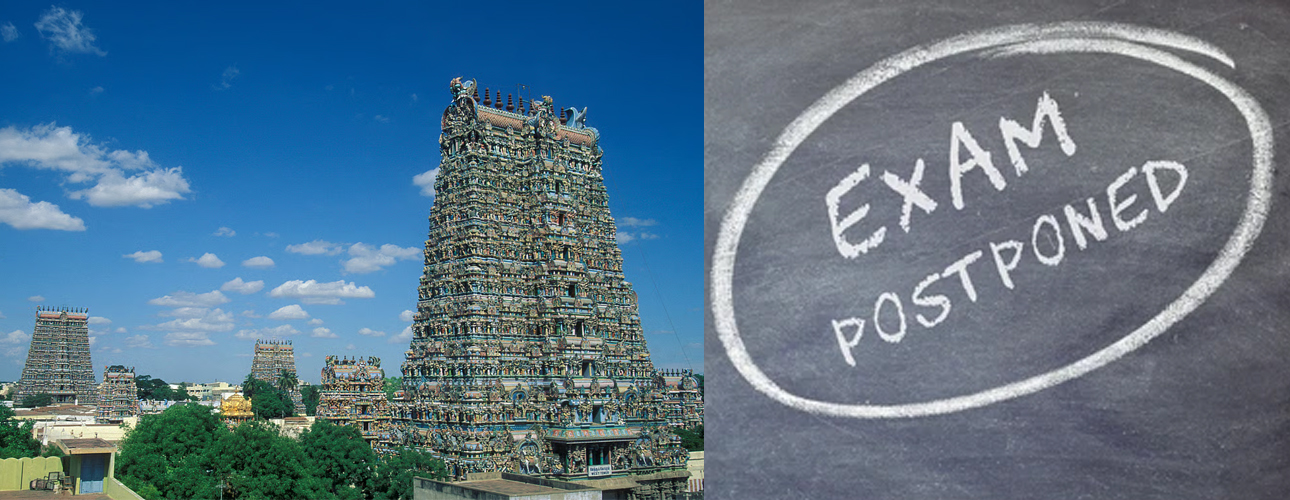






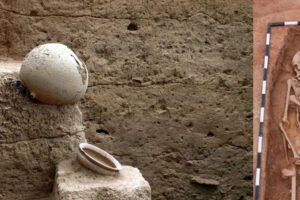
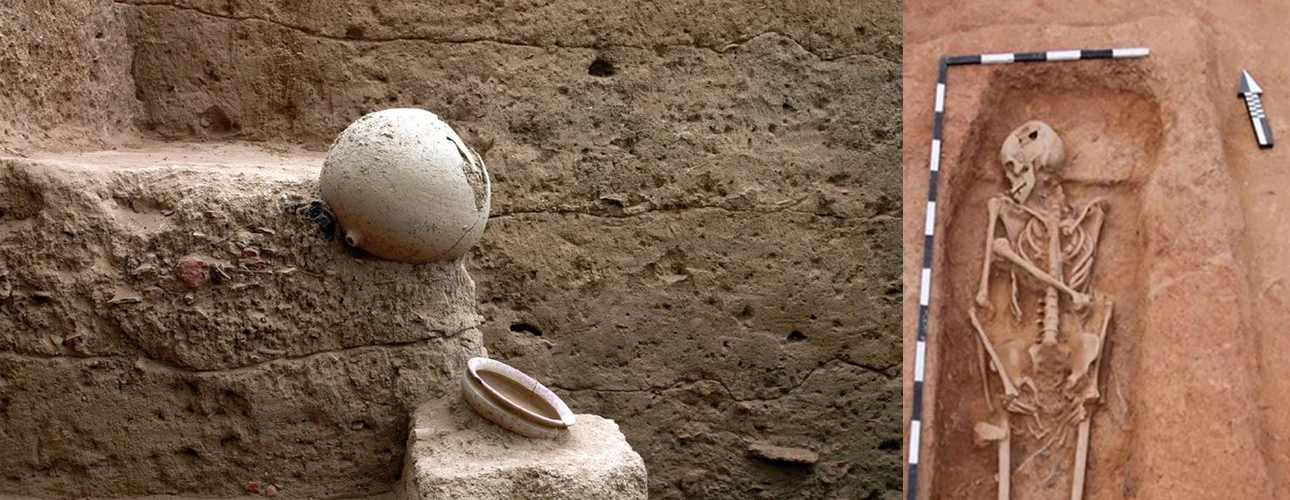
A reported ancient DNA study based on human remains and archaeological materials recovered from Keeladi, Adichanallur and Sivakalai in Tamil Nadu has indicated a close genetic relationship between ancient populations associated with the region and present-day South Indians and Sri Lankan Tamils. The research, described as being led by genetic researchers associated with Madurai Kamaraj University, reportedly analysed more than 75,000 genetic data points to examine population connections and biological continuity in the southern part of the Indian subcontinent.
Genetic Findings and Archaeological Significance
Ancient human remains and archaeological materials, Keeladi, Adichanallur, Sivakalai, South India and Sri Lanka
Genetic similarities, possible continuity between ancient populations and present-day South Indian and Sri Lankan Tamil communities, implications for understanding South Asian population history
Ancient DNA analysis, comparison of genetic evidence with archaeological findings, investigation of population relationships and long-term genetic continuity
More than 75,000 genetic data points, Vaigai River civilisation, biochemical evidence concerning ancient Tamil diet and lifestyle
According to the information presented about the study, the genetic profile associated with ancient individuals from the Keeladi region shows notable similarities with present-day South Indian populations and Sri Lankan Tamil communities. Such findings could contribute to research into ancient population movements, demographic relationships and the biological history of communities that lived in southern South Asia.
The reported biochemical investigations also provide insights into the dietary practices of ancient Tamil society. Rice and millet varieties are described as important cultivated crops, while milk, ghee and vegetables are reported to have formed part of the diet. These findings may help researchers better understand agriculture, food consumption and everyday life in ancient settlements associated with the Vaigai River region.
Keeladi excavations have continued to attract archaeological interest because of evidence relating to settlement patterns, material culture and urban-style life in the ancient Vaigai basin. Combining archaeological evidence with ancient DNA and biochemical studies can provide researchers with additional approaches to reconstructing population history and understanding how communities changed or persisted over long periods.
At the same time, genetic findings require careful interpretation when they are used to draw broader conclusions about historical identities and population continuity. Larger datasets, additional ancient samples and independent scientific validation can strengthen the interpretation of genetic relationships identified in individual studies.
The reported findings are being viewed as significant new data for research into the antiquity of the Vaigai River civilisation and the long-term history of populations associated with the Tamil region.