






Between Archaeology and Politics: The Ongoing Keeladi Controversy
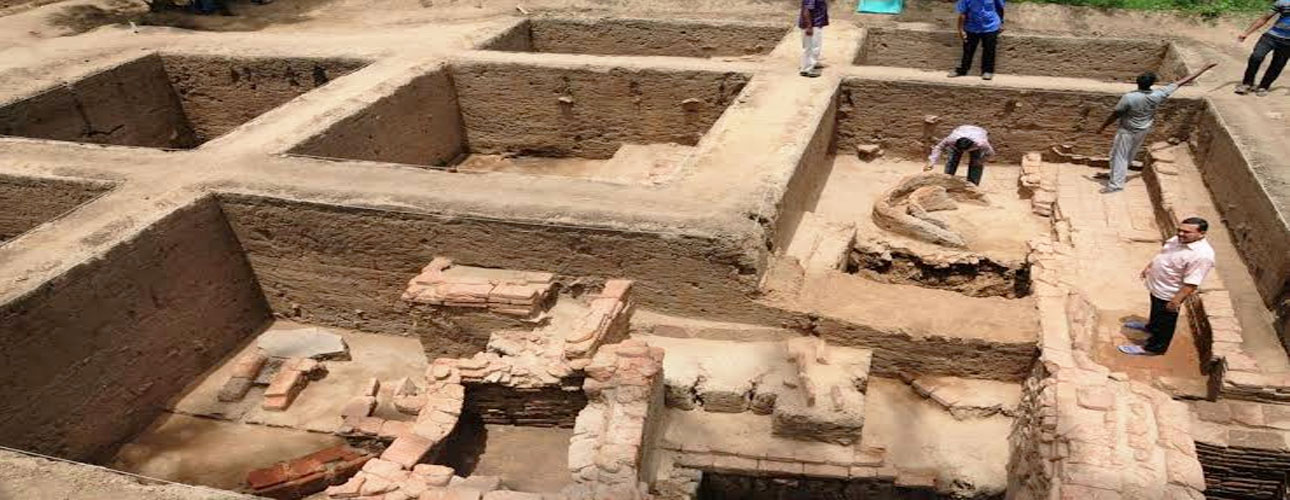
Near Thiruppuvanam in Sivaganga district lies Keeladi, where archaeological excavations were conducted by the Archaeological Survey of India (ASI) between 2013 and 2016. These excavations, led by Amarnath Ramakrishna, unearthed over 5,765 ancient artifacts.
Amarnath submitted a 982-page excavation report to the Union Government. The report detailed the culture, agriculture, animals, and urbanization aspects of the Keeladi civilization, supported with proper documentation and evidence. Radiocarbon dating confirmed that the artifacts belonged to circa 600 BCE.
However, the Union Government delayed the publication of the report. After facing pressure from various quarters, the government returned the report citing a need for “corrections.” This sparked significant backlash in Tamil Nadu.
Subsequently, in 2019, Sriraman, who was appointed for the third phase of excavation at Keeladi, submitted a report stating that “there were no significant findings” at the site, and recommended that further excavations were unnecessary.
In a surprising development, the ASI has now instructed Sriraman himself to submit excavation reports for both Keeladi and Kodumanal (located in Erode district).
This has raised serious questions: Why is the government asking the same official—who once dismissed Keeladi’s importance—to report on it again? Is this an attempt by the Union Government to suppress the significance of the Keeladi civilization? Many archaeologists have condemned this as a politically motivated move.
Key Highlights:
- Over 5,765 ancient artifacts were found at Keeladi
- Radiocarbon analysis confirmed a timeline of 600 BCE
- The 982-page report was not released by the Union Government
- The official who claimed “there is nothing significant” is now asked to file the report
- Accusations of political motives arise within archaeological circles
Though the Keeladi issue continues to unfold, a burning question persists at the intersection of research and politics:
Is there a deliberate attempt to suppress the cultural identity of the Keeladi civilization for political reasons?