










A global study conducted by the University of Oxford has identified Madurai in Tamil Nadu as the seventh most vulnerable city to extreme heat worldwide, highlighting growing concerns over urban climate resilience. Published under the framework of Sustainable Cities and Society, the assessment evaluated not only maximum temperatures but also demographic vulnerability, urban infrastructure, green cover, and the availability of cooling facilities during heat waves. The findings underscore the need for stronger urban planning and climate adaptation measures to reduce future heat-related risks.
Key Findings of the Heat Risk Assessment
Cities and organizations involved
Madurai, Ahmedabad, Nagpur, Chennai, University of Oxford
Major findings
Madurai ranked 7th globally, Ahmedabad ranked 2nd, Nagpur ranked 4th, Chennai ranked 49th
Key contributing factors
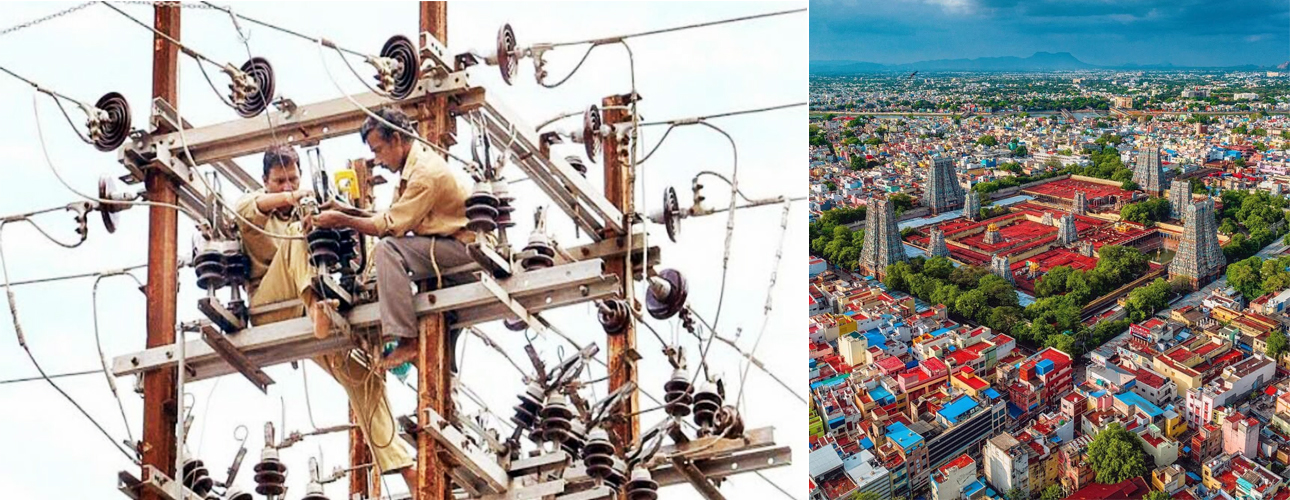
Limited tree cover, unplanned urban development, dense concrete infrastructure, large outdoor workforce, inadequate cooling shelters during heat waves
Additional assessment criteria
Population density, proportion of children and elderly residents, economically vulnerable communities, access to air-conditioned safe spaces, and urban green infrastructure
According to the study, one of the primary reasons for Madurai’s high ranking is its limited urban tree cover, which reduces the city’s natural ability to moderate extreme temperatures. Rapid and unplanned urban expansion, coupled with extensive concrete construction, has intensified the urban heat island effect by absorbing and retaining heat for longer periods.
The assessment also points to the city’s significant outdoor workforce, many of whom remain exposed to prolonged heat during working hours. Limited access to air-conditioned public shelters or cooling centres further increases the health risks associated with extreme heat events, particularly for vulnerable populations.
While Chennai also appears in the global ranking, it is placed at 49th, indicating relatively lower overall heat vulnerability when broader environmental, infrastructural, and social indicators are considered. Ahmedabad and Nagpur were ranked second and fourth respectively, placing three Indian cities within the top ten most heat-vulnerable urban centres identified in the assessment.
The researchers emphasized that expanding urban green cover, improving climate-resilient infrastructure, strengthening heat action plans, and increasing access to public cooling facilities are essential measures for reducing the impact of future extreme heat events.